En un video difundido en Facebook se observa cómo el calentamiento global ha terminado con el hábitat de las especies animales
Un video difundido a través de Facebook muestra la forma en que el calentamiento global ha afectado al mundo.
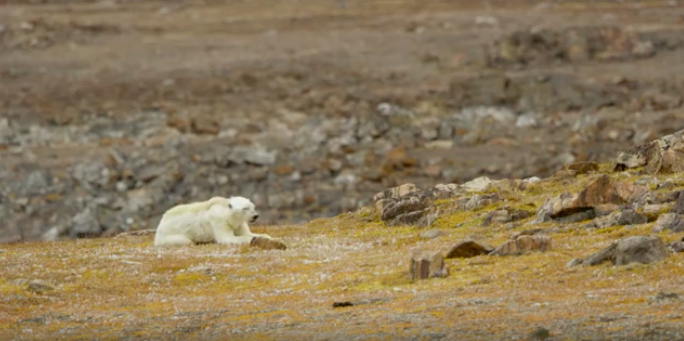
Se trata de una grabación realizada por el fotógrafo Paul Nicklen y su equipo que dijeron haber estado al borde de las lágrimas al filmarla y que muestra las pésimas condiciones en las que vive un oso polar cuando su hábitat natural se ve afectado.
My entire SeaLegacy team was pushing through their tears and emotions while documenting this dying polar bear. It’s a soul-crushing scene that still haunts me, but I know we need to share both the beautiful and the heartbreaking if we are going to break down the walls of apathy. This is what starvation looks like. The muscles atrophy. No energy. It’s a slow, painful death. When scientists say polar bears will be extinct in the next 100 years, I think of the global population of 25,000 bears dying in this manner. There is no band aid solution. There was no saving this individual bear. People think that we can put platforms in the ocean or we can feed the odd starving bear. The simple truth is this—if the Earth continues to warm, we will lose bears and entire polar ecosystems. This large male bear was not old, and he certainly died within hours or days of this moment. But there are solutions. We must reduce our carbon footprint, eat the right food, stop cutting down our forests, and begin putting the Earth—our home—first. Please join us at @sea_legacy as we search for and implement solutions for the oceans and the animals that rely on them—including us humans. Thank you to our angel donors for your love and support and for keeping our team on location. With Cristina Mittermeier #turningthetide with SeaLegacy: www.SeaLegacy.org
Posted by Paul Nicklen Photography on martes, 5 de diciembre de 2017
De acuerdo con el fotógrafo, el oso moría de hambre, tenía los músculos atrofiados y pasaba una agonía muy dolorosa.
Los científicos han explicado que de continuar con las tendencias actuales de calentamiento global, los osos polares se extinguirán en los próximos 100 años.
Con información de Milenio
Minuto a minuto